

Uragani politik i shkallës 5 në Serbi! Christopher Hill, një kumbar i mundshëm i ndryshimeve?
Ka momente kur zhvillimet politike të një vendi nuk mund të kuptohen vetëm duke parë atë që ndodh brenda kufijve të tij. Duhet parë edhe diplomacia ndërkombëtare, interesat strategjike të fuqive të mëdha dhe njerëzit që, përmes diplomacisë së tyre, mund të ndikojnë në drejtimin e historisë.
Ajo që po ndodh në Serbi është një zhvillim me rëndësi të jashtëzakonshme për të ardhmen e Ballkanit Perëndimor.
Pas vitesh pakënaqësish, protestash qytetare dhe mobilizimi të jashtëzakonshëm studentor, Serbia po përjeton një kthesë të madhe politike.
Studentët dhe qytetarët kanë dëshmuar se asnjë pushtet nuk është i përjetshëm dhe se vullneti qytetar, kur organizohet dhe këmbëngul, mund të prodhojë ndryshime historike.
Por, a duhet ta shohim këtë zhvillim vetëm si rezultat të protestave të brendshme?
Unë mendoj se jo!
Pa asnjë pretendim se posedoj informacione të brendshme apo dëshmi për ndonjë rol të drejtpërdrejtë, dua të shtroj një hipotezë dhe një pyetje që, sipas mendimit tim, meriton analizë serioze:
A ishte emërimi i diplomatit amerikan Christopher Hill si ambasador në Beograd një nga lëvizjet më të rëndësishme strategjike të diplomacisë amerikane, efektet e së cilës mund të shihen edhe sot?
Unë personalisht prirem të besoj se roli i tij meriton shumë më tepër vëmendje në analizat për zhvillimet e Serbisë.
Përse?
Sepse ndryshimet e mëdha nuk ndodhin gjithmonë brenda një dite. Ato mund të përgatiten përmes diplomacisë, dialogut, presionit ndërkombëtar, marrëdhënieve strategjike dhe ndryshimit gradual të rrethanave politike.
Natyrisht, në këtë proces kanë rol institucionet amerikane, administratat e njëpasnjëshme të SHBA-së, aleatët perëndimorë dhe, mbi të gjitha, vetë qytetarët e Serbisë.
Por unë dua të veçoj Christopher Hillin.
Një diplomat me përvojë të jashtëzakonshme në Ballkan, i cili e njeh historinë, mentalitetin politik dhe kompleksitetin e rajonit.
A ishte ai njëri prej njerëzve që ndihmoi në krijimin e kushteve për një Serbi ndryshe?
Nuk e di. Nuk kam dëshmi për këtë. Por mendoj se pyetja meriton të shtrohet.
ÇFARË MUND TË SJELLË E ARDHMJA?
Sipas vlerësimit tim, ndryshimet që po shohim mund të jenë vetëm fillimi i një procesi shumë më të gjerë.
Disa çështje që meritojnë vëmendje të veçantë janë:
• Orientimi strategjik i Serbisë: A do të fillojë një largim gradual nga varësia politike dhe strategjike prej Moskës?
• Vojvodina: A do të hapet një debat i ri për autonominë, pozitën kushtetuese dhe marrëdhëniet me Beogradin?
• Sanxhaku: A do të fitojnë më shumë hapësirë kërkesat për të drejta, përfaqësim dhe zhvillim institucional?
• Demokratizimi: A do të ndërtohen institucione të pavarura, sundim i ligjit dhe përgjegjësi politike?
• Ballkani Perëndimor: A do të krijohen kushte për një politikë më konstruktive, pa kërcënime dhe pa ambicie hegjemoniste?
Këto janë pyetje dhe skenarë për të ardhmen, jo zhvillime të konfirmuara.
PO KOSOVA?
Për Kosovën, këto zhvillime nuk janë çështje e largët dhe as thjesht çështje e politikës së brendshme serbe.
Ato prekin drejtpërdrejt paqen, sigurinë, stabilitetin rajonal dhe perspektivën euroatlantike të vendit tonë.
Kosova duhet t’i përcjellë me vëmendje, mençuri dhe pjekuri diplomatike. Nuk duhet të ketë frikë nga demokratizimi i Serbisë, por as të krijojë iluzione se ndryshimi i një pushteti nënkupton automatikisht ndryshimin e politikës së saj ndaj Kosovës.
Ne kemi nevojë për një Serbi demokratike, paqësore, të orientuar drejt Perëndimit dhe që e respekton realitetin e pakthyeshëm të shtetësisë së Kosovës.
NJË PYETJE PËR ANALISTËT DHE DIPLOMATËT
Kam pritur me interes të shoh nëse ndonjë analist, diplomat apo institucion do ta trajtojë më gjerësisht rolin dhe trashëgiminë diplomatike të Christopher Hillit në këtë kontekst.
Nuk pretendoj se kam zbuluar ndonjë të vërtetë të fshehtë. Por besoj se diplomacia nuk duhet analizuar vetëm përmes deklaratave publike, por edhe përmes rezultateve, proceseve dhe efekteve afatgjata.
Ndoshta Christopher Hill nuk është kumbari i ndryshimeve në Serbi, por a mund të ketë qenë njëri prej diplomatëve që ndihmoi në përgatitjen e terrenit për to?
Kjo është hipoteza ime dhe do të dëshiroja ta dëgjoja edhe mendimin e të tjerëve.
Historia e Ballkanit na ka mësuar se ndryshimet e mëdha politike shpesh fillojnë shumë përpara se të bëhen të dukshme për opinionin publik.
URAGANI KA FILLUAR. PYETJA ËSHTË: KU DO TË NA ÇOJË?
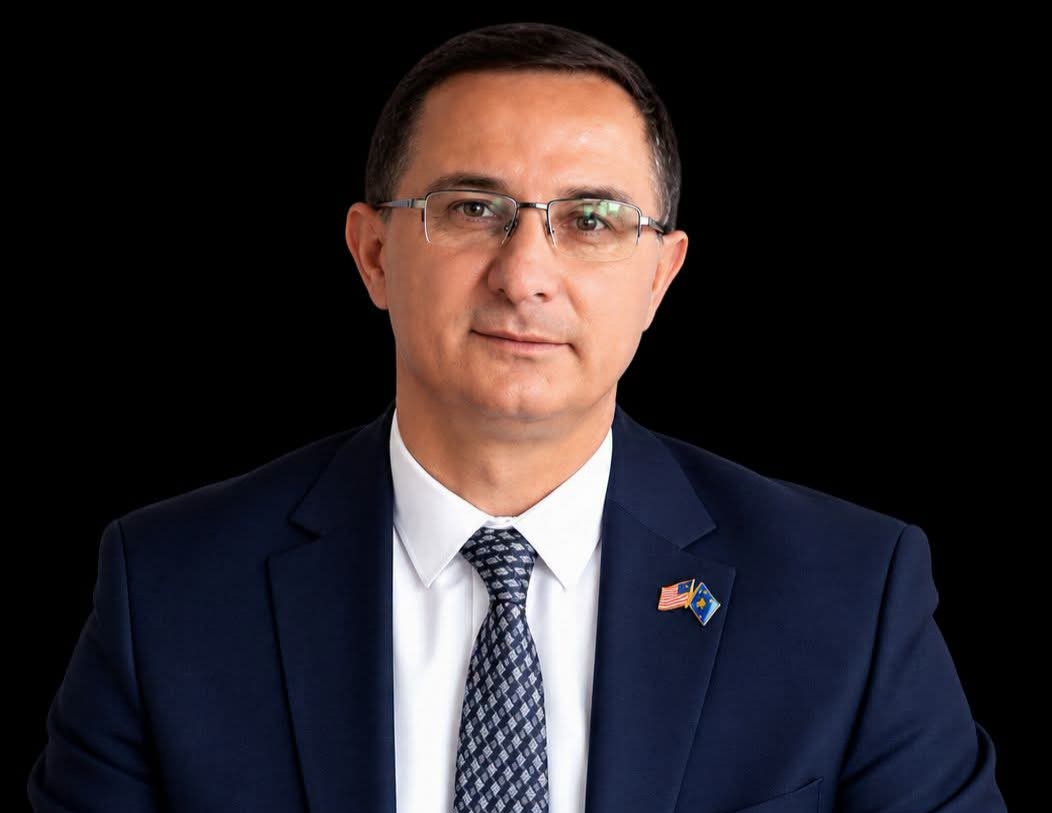
Agim Rexhepi
Shoqata “Miqtë e Amerikës”
Republika e Kosovës
—————
A CATEGORY 5 POLITICAL HURRICANE IN SERBIA!
CHRISTOPHER HILL A POSSIBLE GODFATHER OF CHANGE?
There are moments when political developments in a country cannot be understood solely by looking at what happens within its borders. We must also examine international diplomacy, the strategic interests of major powers, and the individuals whose diplomatic engagement may influence the course of history.
What is happening in Serbia is a development of extraordinary importance for the future of the Western Balkans.
After years of public dissatisfaction, civic protests and remarkable student mobilization, Serbia is experiencing a major political turning point.
Students and citizens have demonstrated that no political power lasts forever and that an organized, determined public can bring about historic change.
But should we view these developments solely as the result of domestic protests?
I personally believe not!
Without claiming to possess inside information or evidence of any direct involvement, I would like to raise a hypothesis and a question that, in my view, deserves serious consideration:
Was the appointment of American diplomat Christopher Hill as Ambassador to Serbia one of the most important strategic moves in American diplomacy, with effects that may still be unfolding today?
Personally, I believe his role deserves considerably more attention in analyses of Serbia’s political transformation.
Why?
Because major changes do not always happen overnight. They can be shaped through diplomacy, dialogue, international pressure, strategic relationships and the gradual transformation of political circumstances.
Naturally, American institutions, successive US administrations, Western allies and, above all, the citizens of Serbia have all played important roles in this process.
But I want to single out Christopher Hill.
An exceptionally experienced diplomat in the Balkans, familiar with the region’s history, political mindset and complexities.
Was he among those who helped create the conditions for a different Serbia?
I do not know. I have no evidence of that. But I believe the question deserves to be asked.
WHAT COULD THE FUTURE BRING?
In my assessment, the changes we are witnessing may only be the beginning of a much broader process.
Several issues deserve particular attention:
• Serbia’s strategic orientation: Will Serbia gradually move away from its political and strategic dependence on Moscow?
• Vojvodina: Will a new debate emerge over autonomy, constitutional status and relations with Belgrade?
• Sandžak: Will demands for rights, representation and institutional development gain greater attention?
• Democratization: Will independent institutions, the rule of law and political accountability finally take root?
• The Western Balkans: Will conditions emerge for a more constructive regional policy, free from threats and hegemonic ambitions?
These are questions and possible future scenarios, not confirmed developments.
AND WHAT ABOUT KOSOVO?
For Kosovo, these developments are neither distant nor merely a matter of Serbia’s domestic politics.
They directly affect peace, security, regional stability and our country’s Euro-Atlantic future.
Kosovo must follow these developments with attention, wisdom and diplomatic maturity. We should not fear the democratization of Serbia, but neither should we have illusions that a change of government automatically means a change in Serbia’s policy towards Kosovo.
We need a democratic, peaceful Serbia, oriented towards the West and respectful of the irreversible reality of Kosovo’s statehood.
A QUESTION FOR ANALYSTS AND DIPLOMATS
I have been waiting with interest to see whether any analyst, diplomat or institution would examine Christopher Hill’s diplomatic role and legacy more extensively in this context.
I do not claim to have uncovered some hidden truth. However, I believe diplomacy should not be assessed only through public statements, but also through outcomes, processes and long-term effects.
Perhaps Christopher Hill is not the godfather of change in Serbia, but could he have been one of the diplomats who helped prepare the ground for it?
This is my hypothesis, and I would genuinely welcome the views of others.
History has taught us that major political transformations often begin long before they become visible to the public.
THE HURRICANE HAS BEGUN. THE QUESTION IS: WHERE WILL IT TAKE US?
Agim Rexhepi
The Association “Friends of the USA”
Republic of Kosova